
A Sneak Peek at the Finkbine Golf Course Renovation
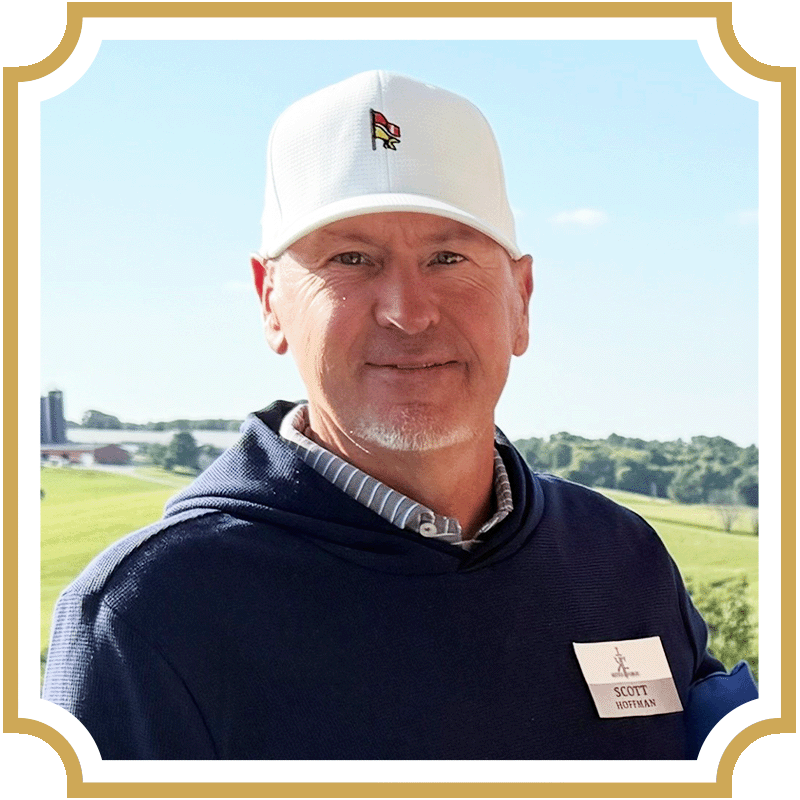 Scott Hoffman, owner of Hoffman Golf Design, is leading the Finkbine Golf Course renovation project. Work is slated to wrap up this fall, with the course aiming to reopen in late spring 2027.
Scott Hoffman never had the chance to play Finkbine Golf Course.
A Nebraska native, Hoffman golfed collegiately at both the University of Nebraska and Creighton University. However, he’d heard positive reviews from those who had played the University of Iowa’s home golf course.
“I knew Finkbine was good and that the land was even better,” says Hoffman, who has nearly three decades of experience in the golf course design industry and is owner of Hoffman Golf Design. “That intrigued me once I heard about the redesign project. I like the opportunity to take on a course that people like and make it even better. That’s a home run for everyone.”
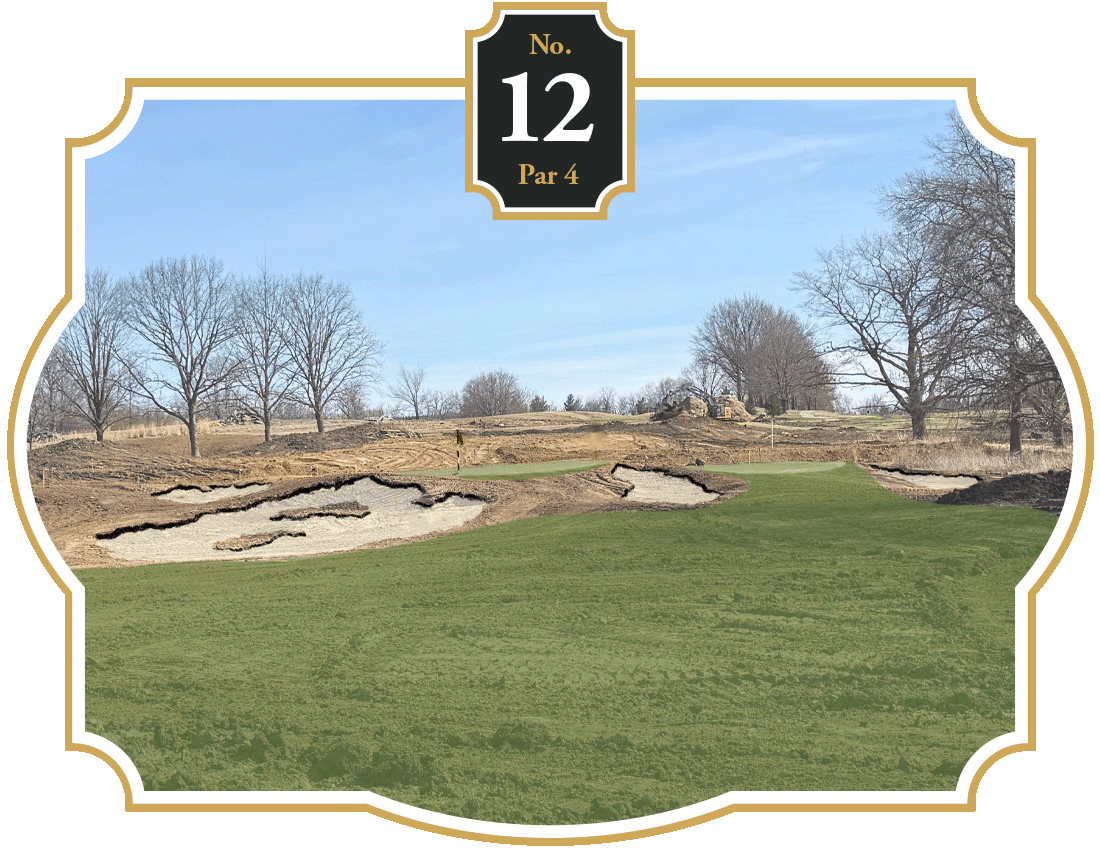
Troon, which manages Finkbine, selected Hoffman in July 2025 to redesign the facility. Once the course closed on Nov. 3, 2025, Hoffman and his team began removing around 200 dead and overgrown trees, reshaping the terrain, building new green complexes, and taking out cart paths. A new irrigation system is also being installed, which is being handled by EC Design, of West Des Moines.
The project is funded by a generous gift from Fritz and Mary Lee (61BA) Duda and will see considerable progress throughout 2026. Hoffman shared some of the Finkbine Golf Course renovation plans, as well as what’s in store throughout the rest of this year.
An Island Green Remains at Finkbine Golf Course
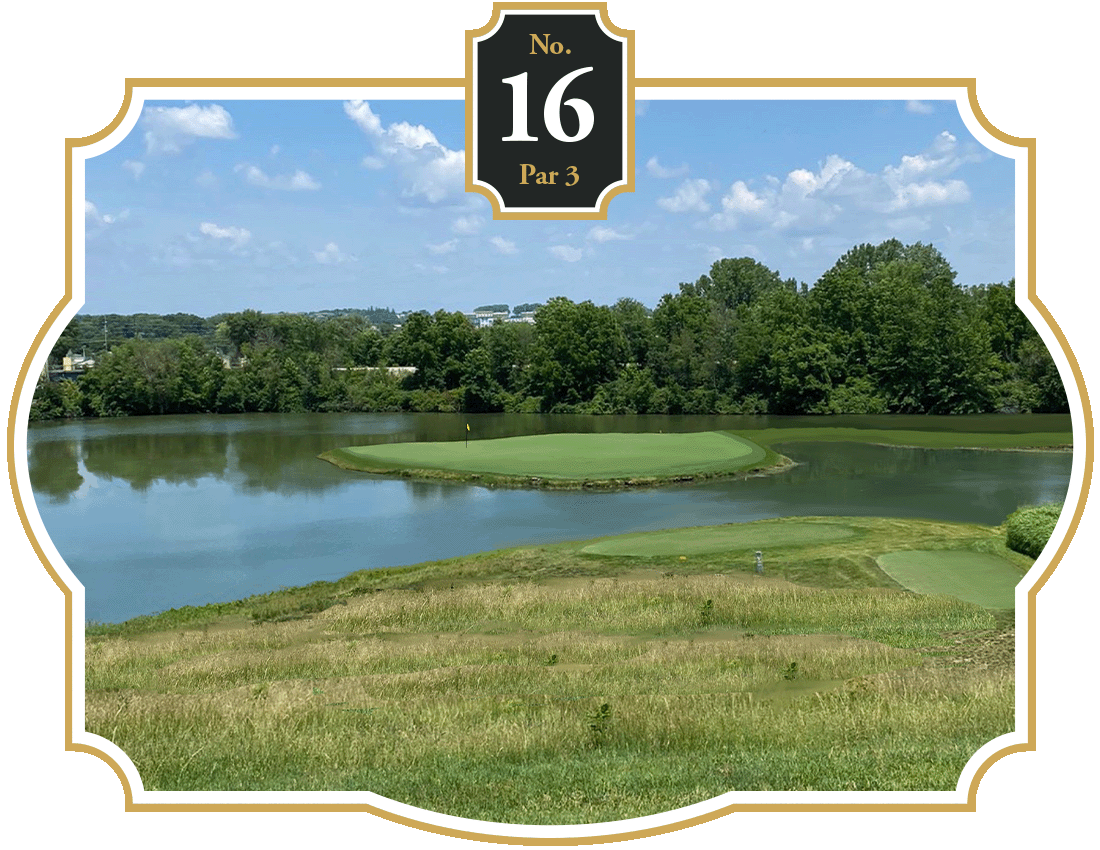
While much is changing as part of the Finkbine Golf Course renovation, there is one feature that is staying the same—an island green.
“Given that it’s iconic for Finkbine, it would have been hard to not have an island green in the new design,” says Hoffman, of the old No. 13. “We ended up removing the right island green and the land bridge—and we’ve added a walking path. It will truly be an island green. It’s the only hole that has mostly stayed the same.”
Hoffman’s team has doubled the size of the island green, which will play as No. 16 in the redesigned layout.
“If you land on ground, it’ll stay on ground because there will be a little more cupping action on the playing surface,” says Hoffman. “It’ll be a much bigger target, but it will be a more visually stunning golf hole.”
Biggest Finkbine Golf Course Routing Changes
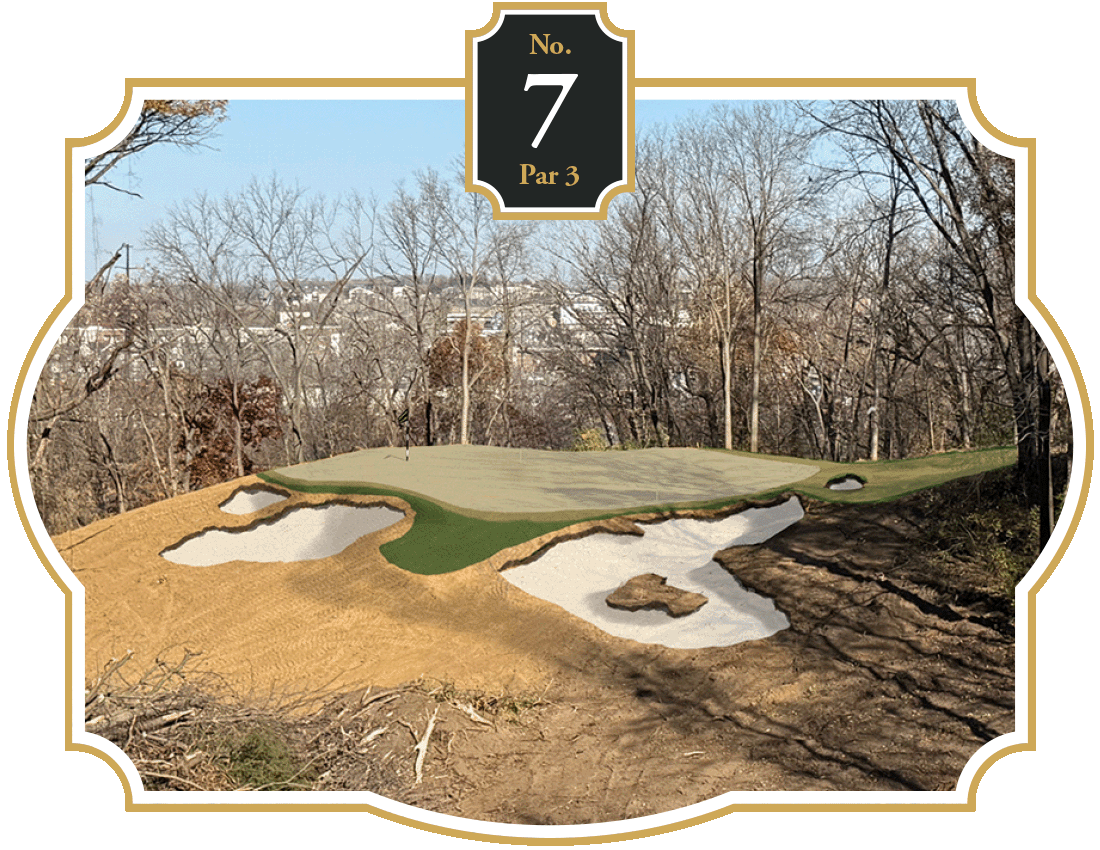
When Hoffman started to look at the best way to reroute the course and make better use of the land, he immediately went to the northern part of the property.
“The ravine between old No. 14 and 15 was not being utilized, so I wanted to get more holes on that part of the land,” he says. “The least interesting part was old holes two, three, and four [by Mormon Trek Boulevard], so I tried to remove a few from there.”
There was also one other important factor that affected Hoffman’s design.
“We wanted to consider the new clubhouse. Specifically, how can we better utilize it in the redesign?” says Hoffman. “We really wanted hole 18 to end in front of the clubhouse, and the new 18 will come up the old 10th hole to the clubhouse. That will be a great finishing spot.”
While optimizing the nearly 200 acres that Finkbine Golf Course sits on, Hoffman also wanted to make the golf experience more enjoyable.
“I hope that the new Finkbine is more walkable,” says Hoffman. “Some holes—for instance going from the old 13 to 14—were way too severe to walk. We’ve done quite a bit of earthwork to help make the course more walkable. Instead of a big walk up to the next tee box, the tee following the island green will be 20 feet away.”
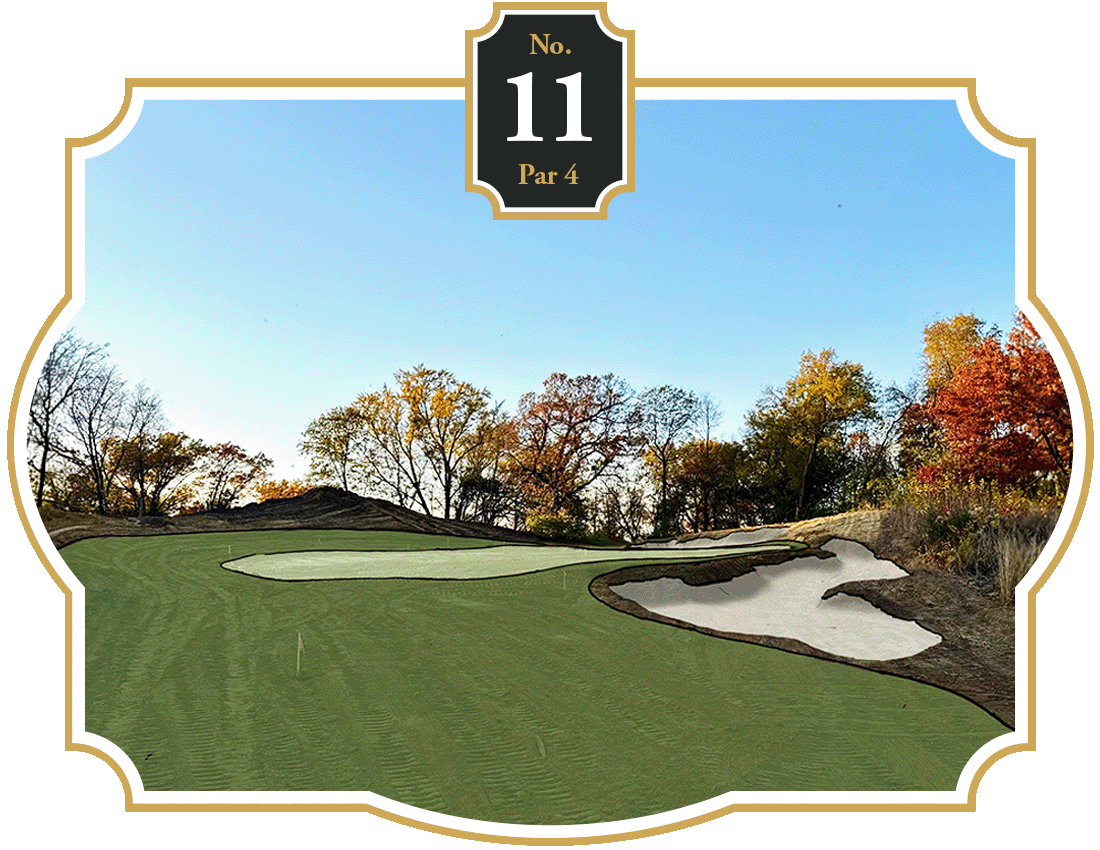
Upcoming Work at Finkbine for 2026
While Hoffman and his team continue to move dirt and clear debris, the spring season will focus on shaping greens and seeding the course.
Hoffman aims to have seeding done by Sept. 15 so there is enough time for the grass to grow and establish itself before winter. If everything goes to plan, Finkbine should be able to reopen in late spring 2027.
“For the health and quality of the turf, seeding bentgrass is better than sodding,” he says. “Once we start seeding, you will really start to see some of the golf holes come to life. That will be exciting for people to see.”